
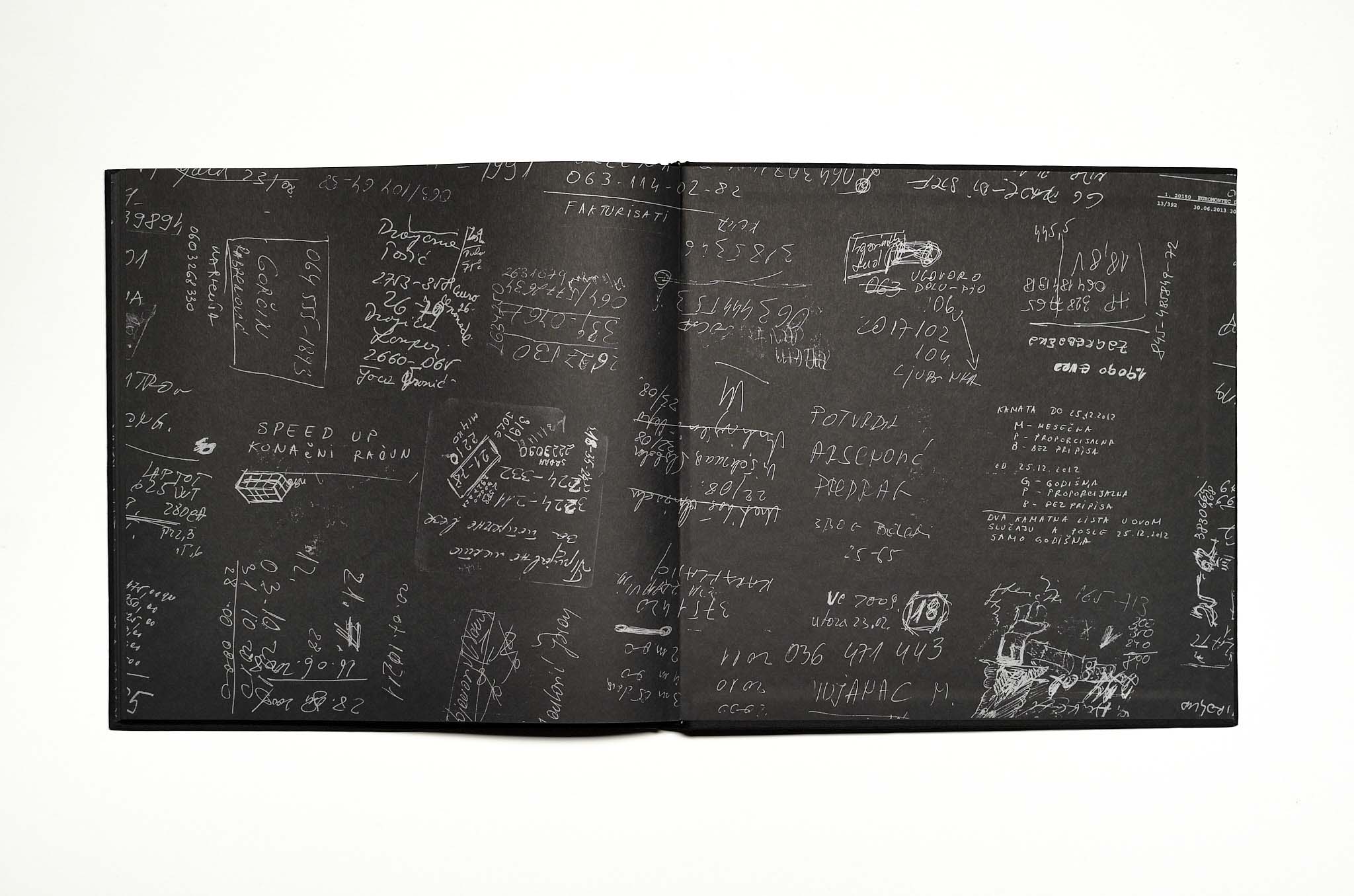
The Tower by Xiaofu Wang
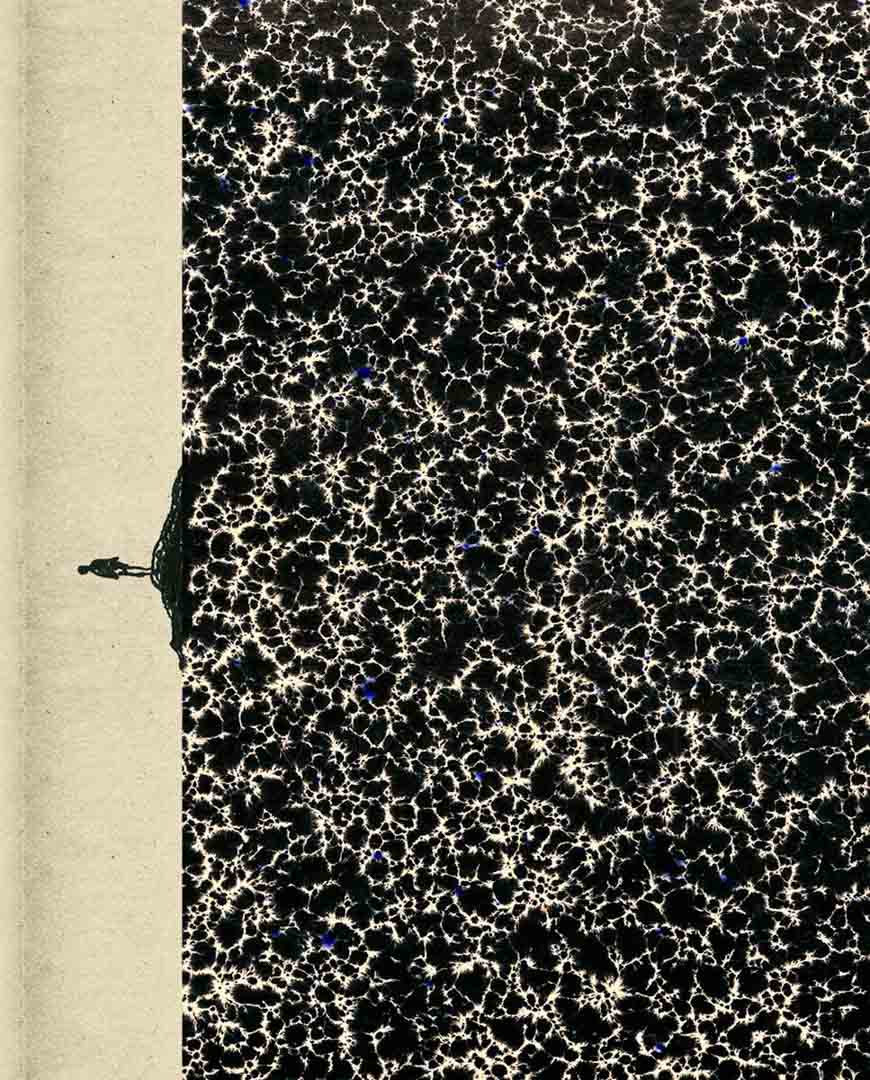
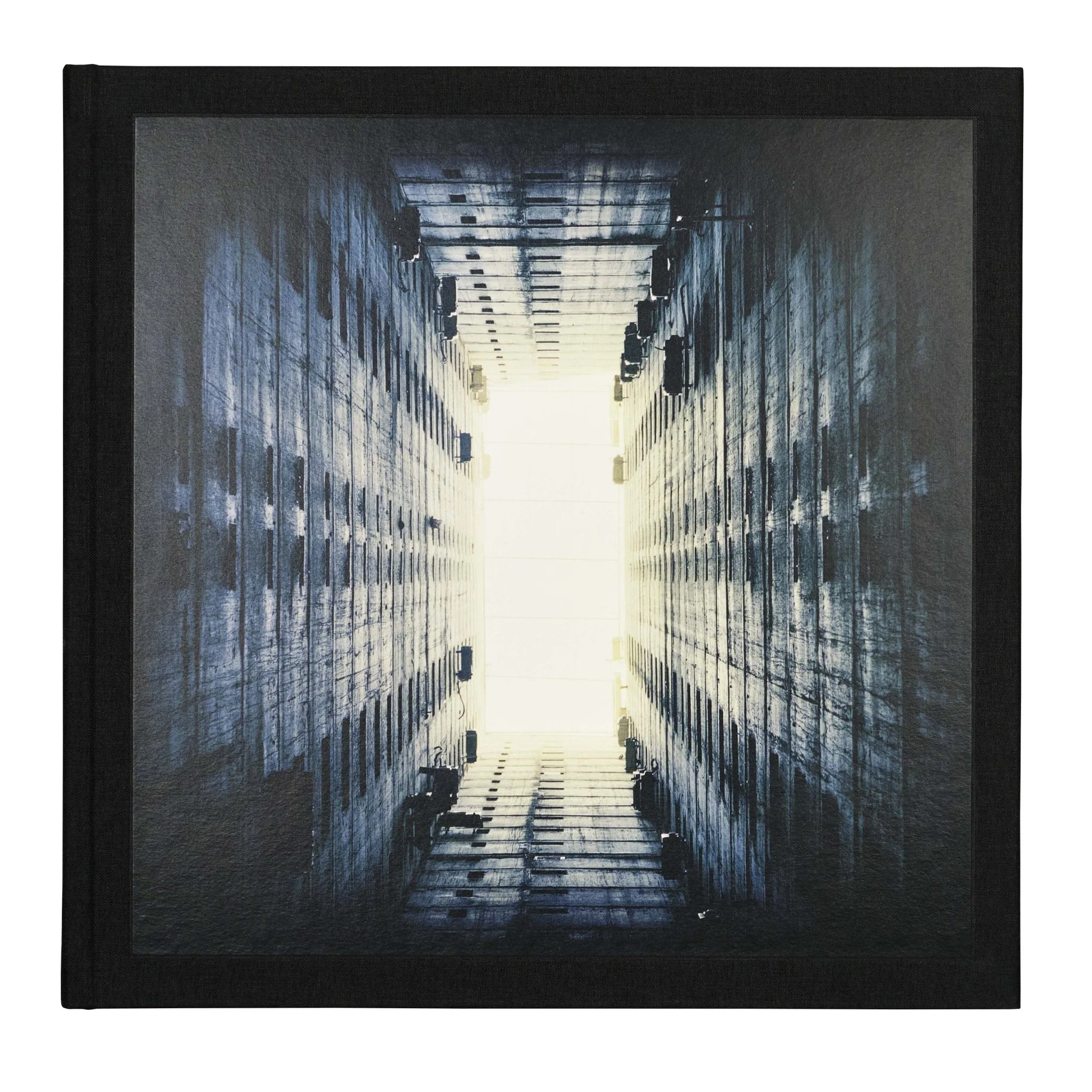
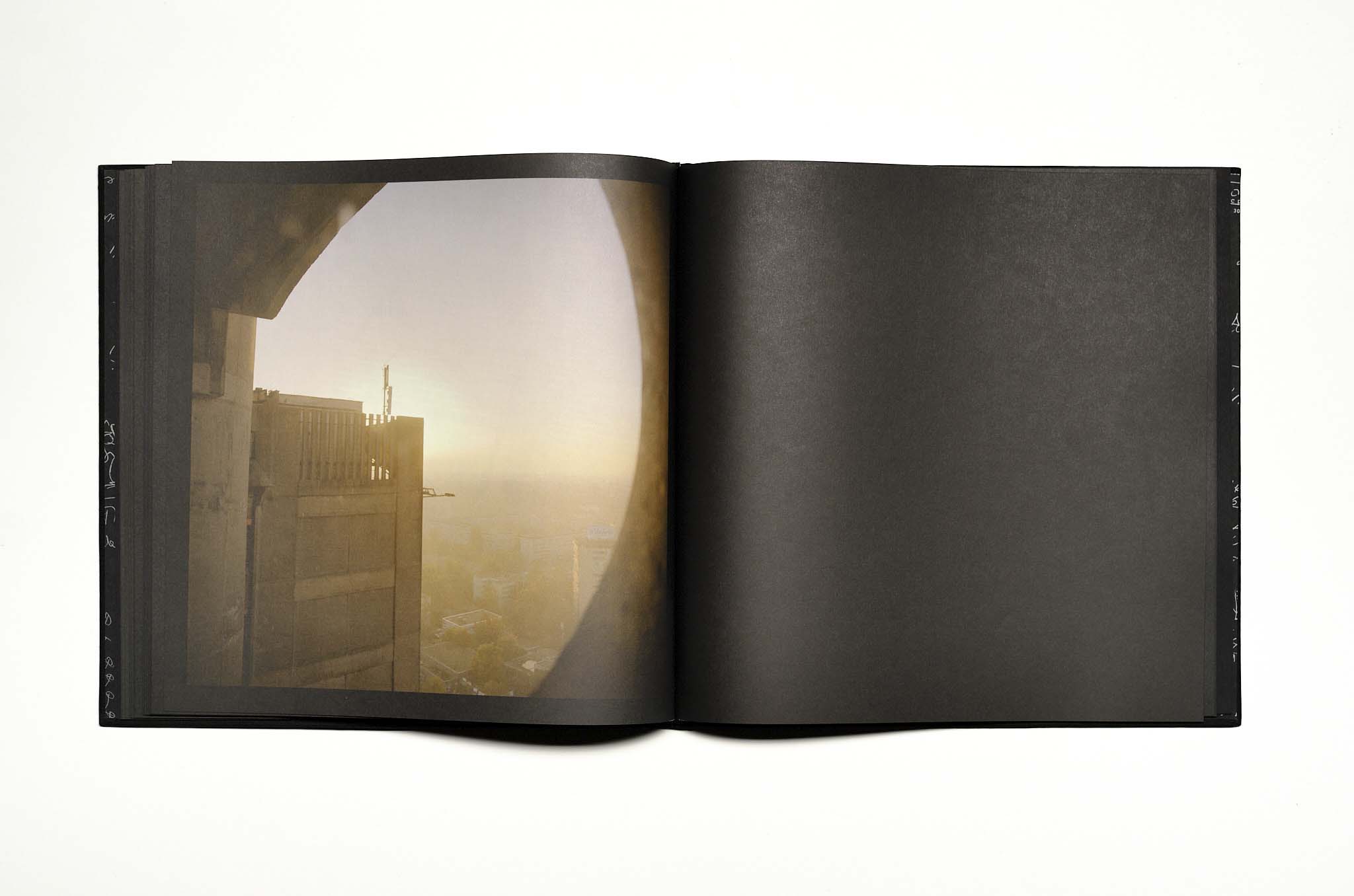
The Genex Tower, like the labyrinth of Minos, is more than just a place—it is a narrative, a mythology. In ancient Greece, the labyrinth was both a marvel of ingenuity and a prison of confinement, its purpose shifting with the stories told about it. Similarly, the Genex Tower’s meaning changes depending on who recounts its tale: the architects who envisioned it, the workers who built it, the residents who lived within its walls, or the elites who profited from its decline.

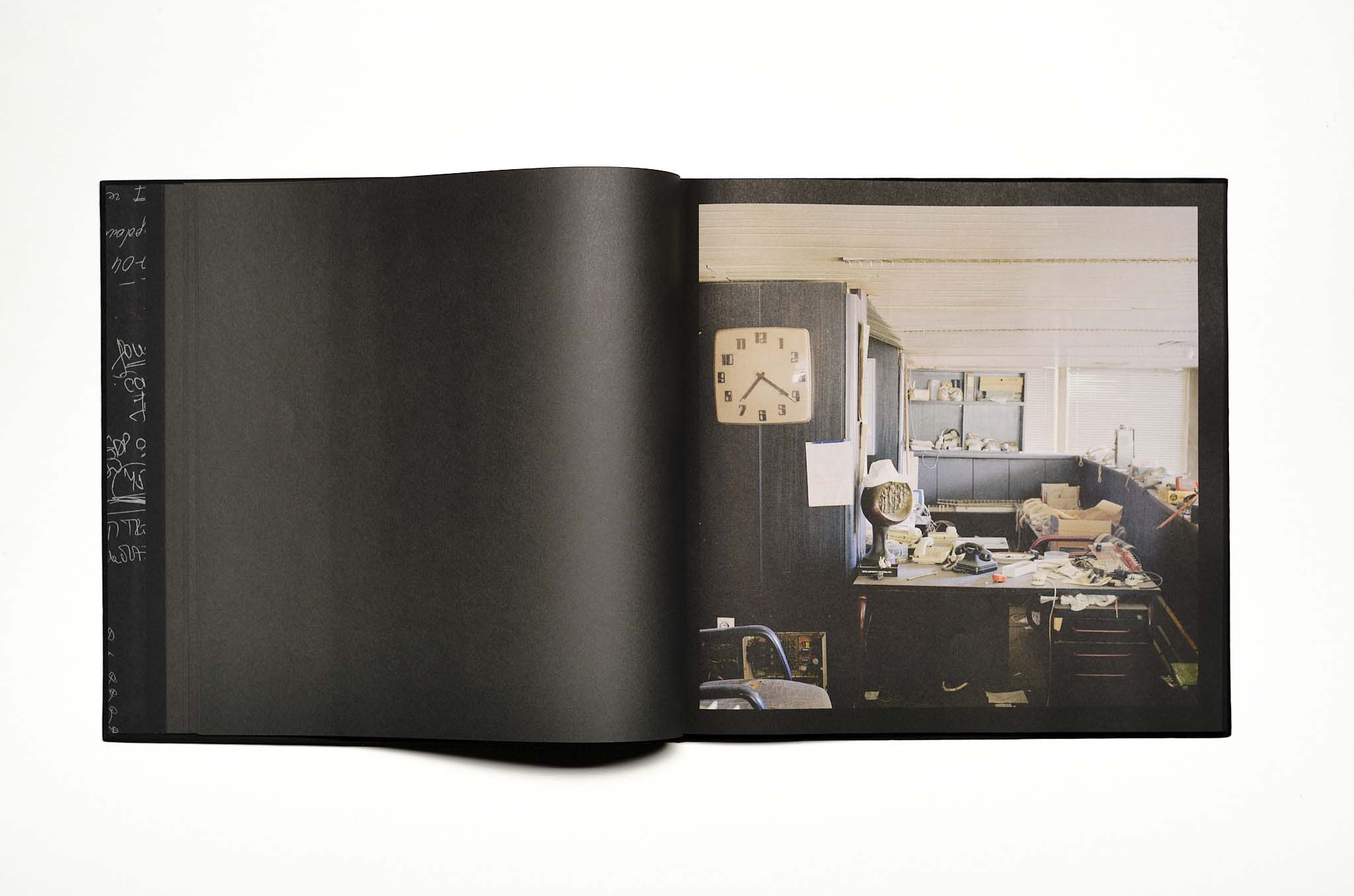
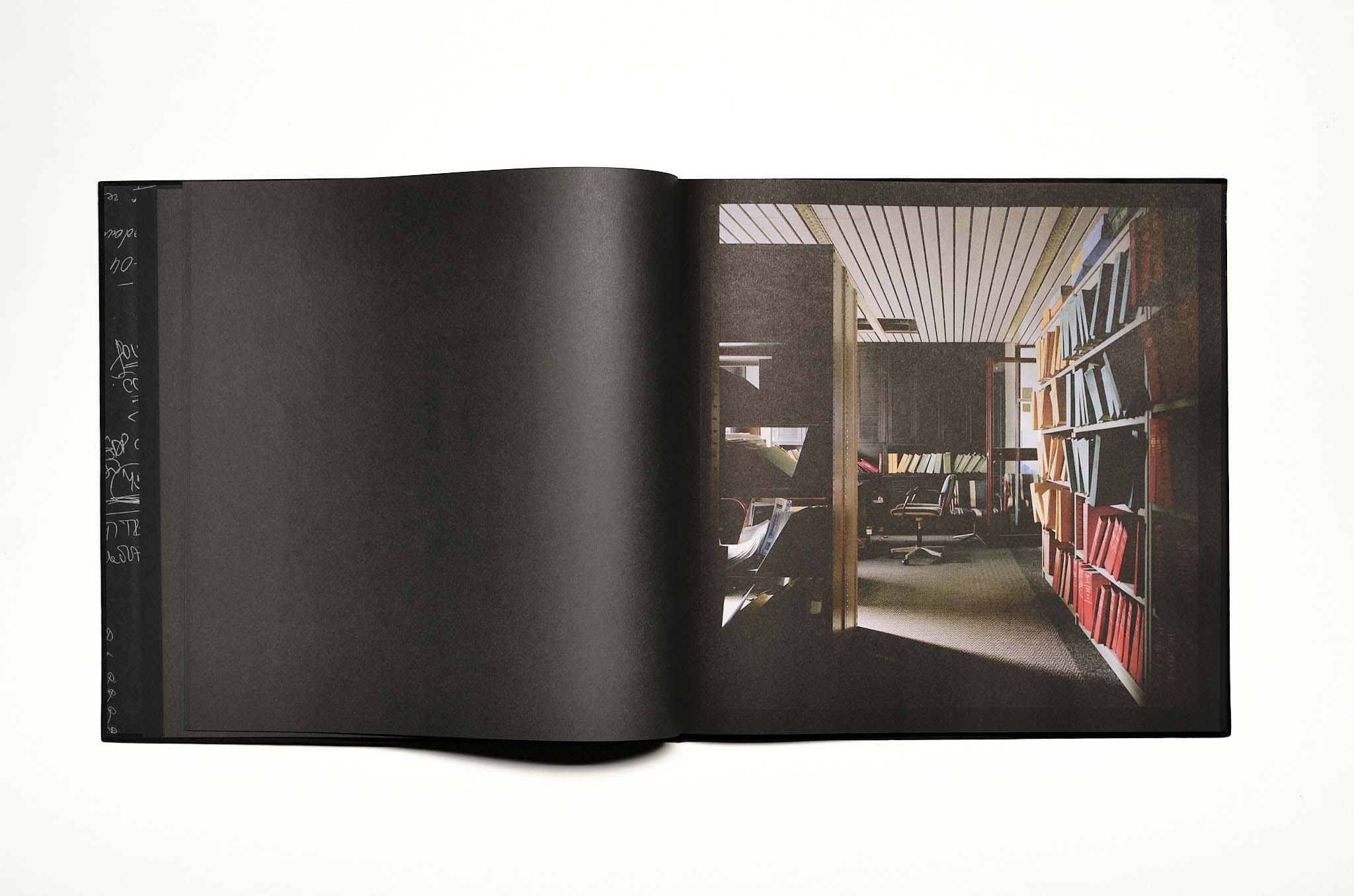
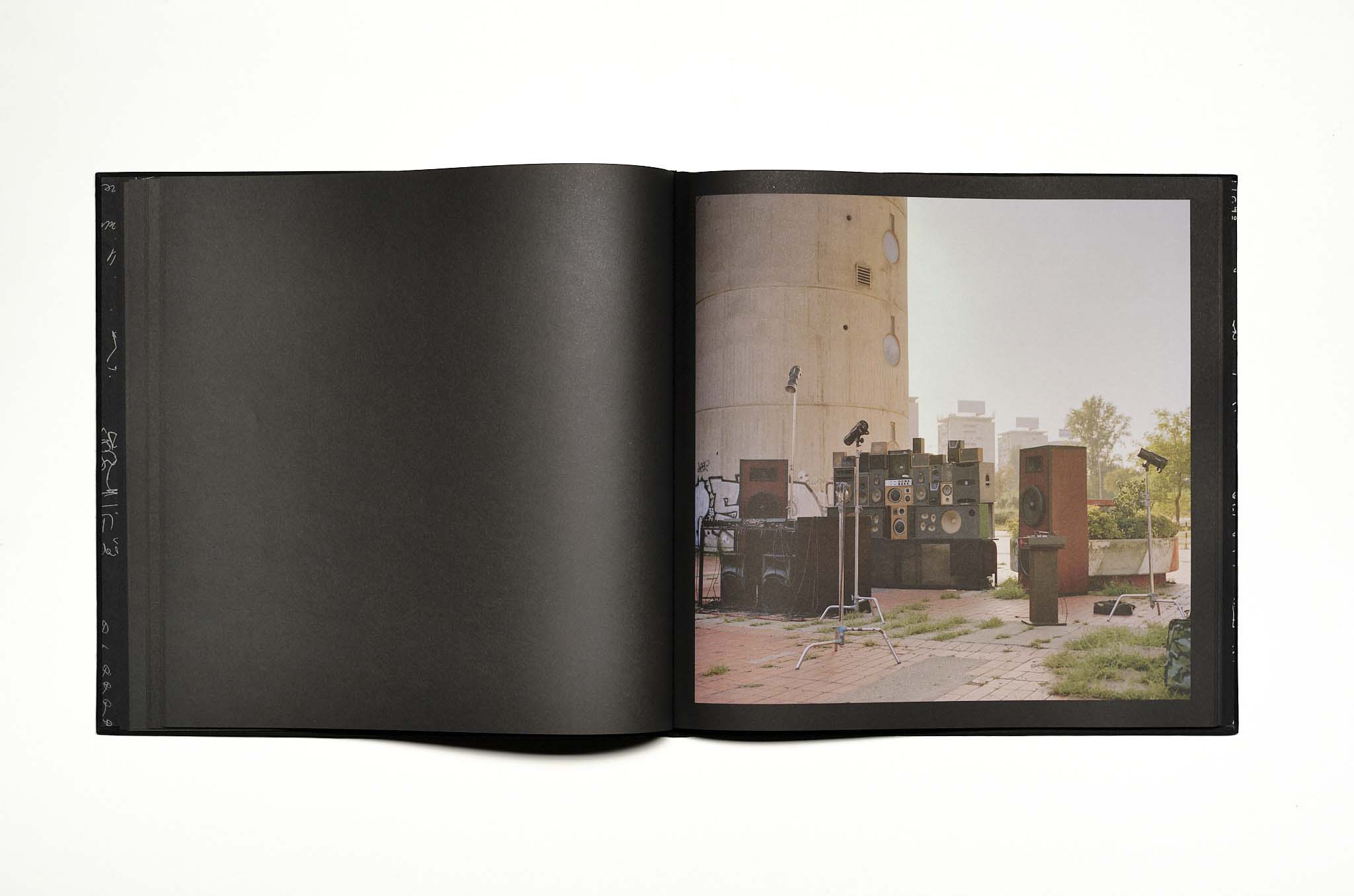
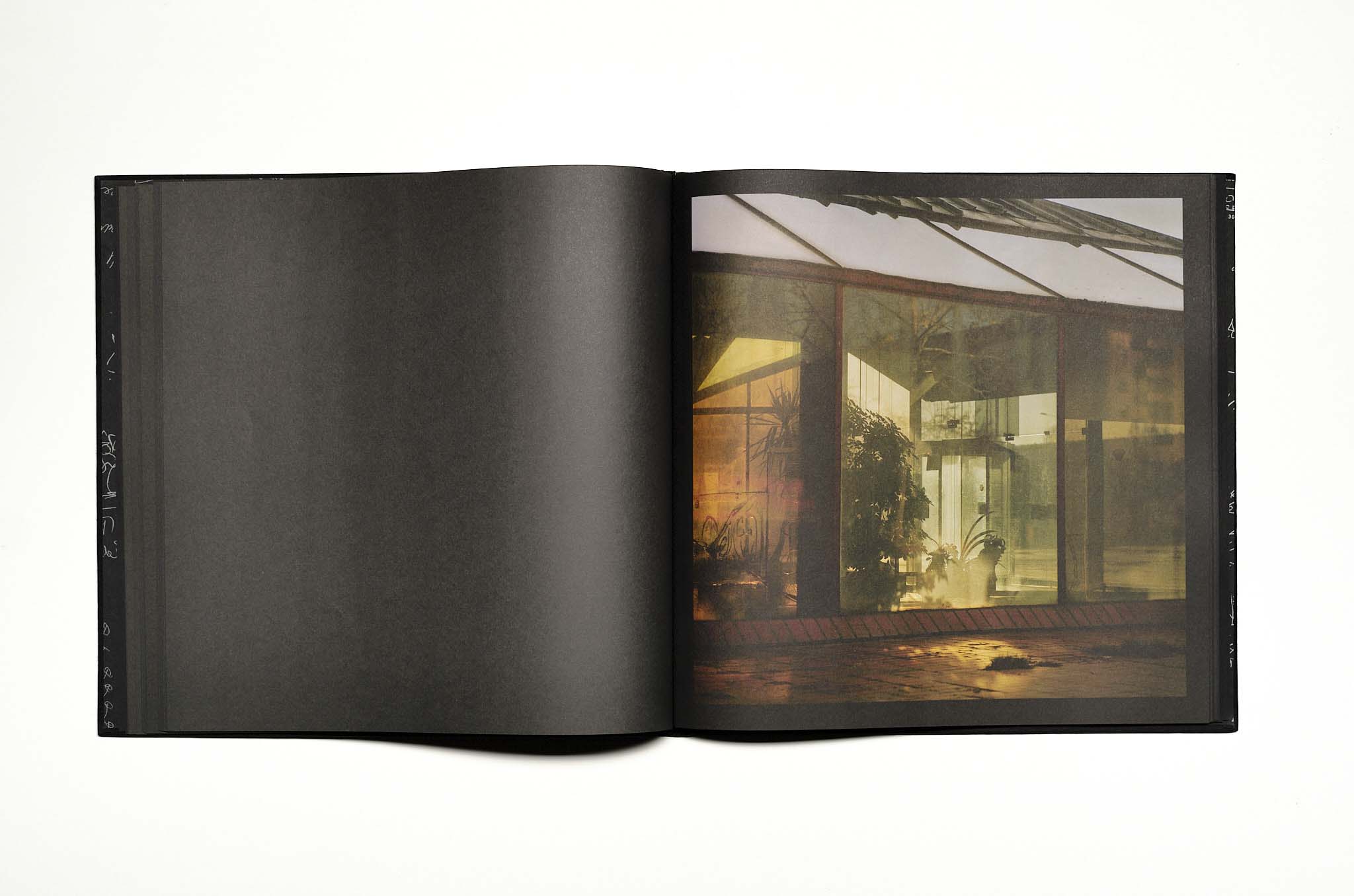
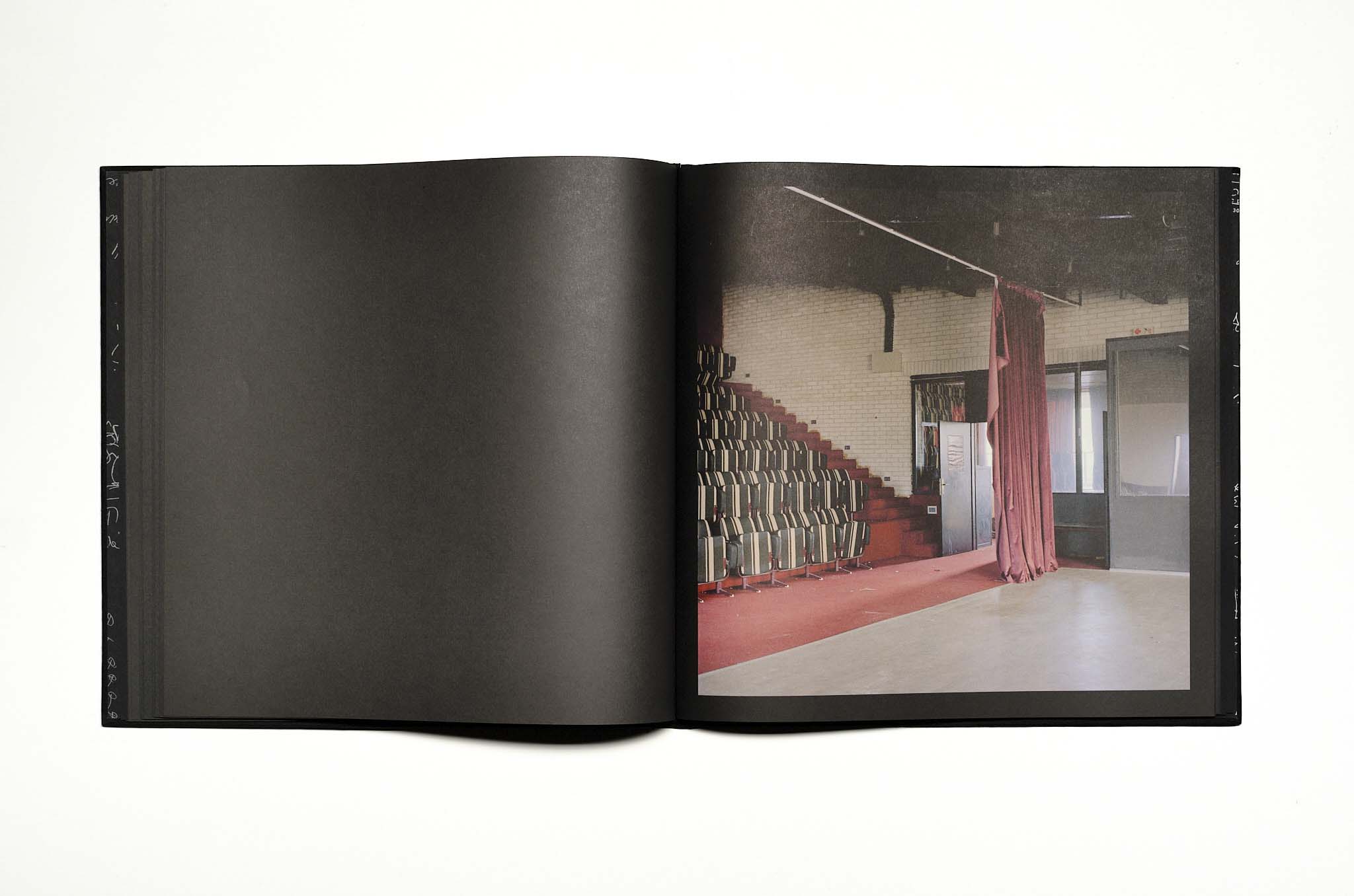
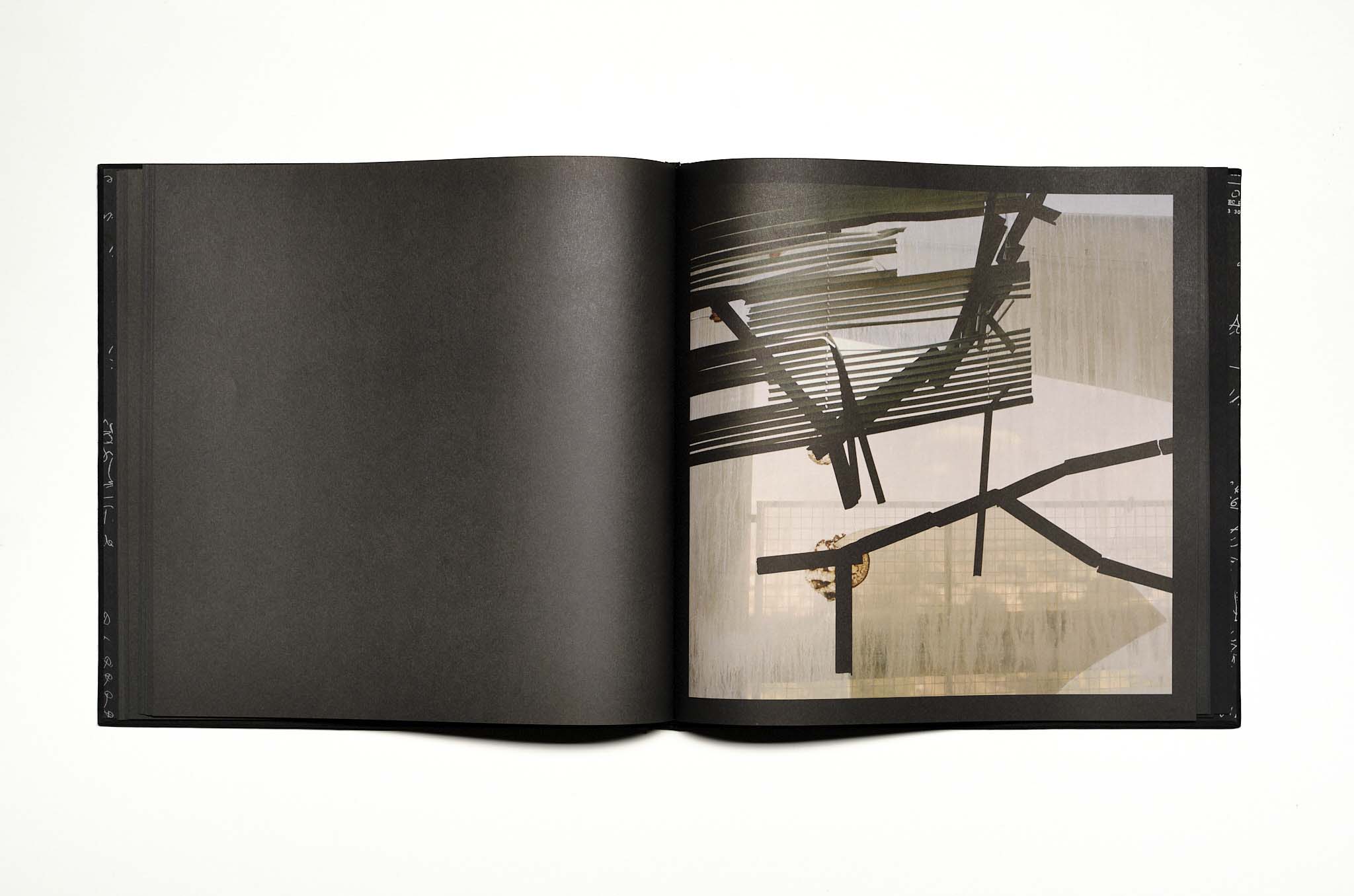
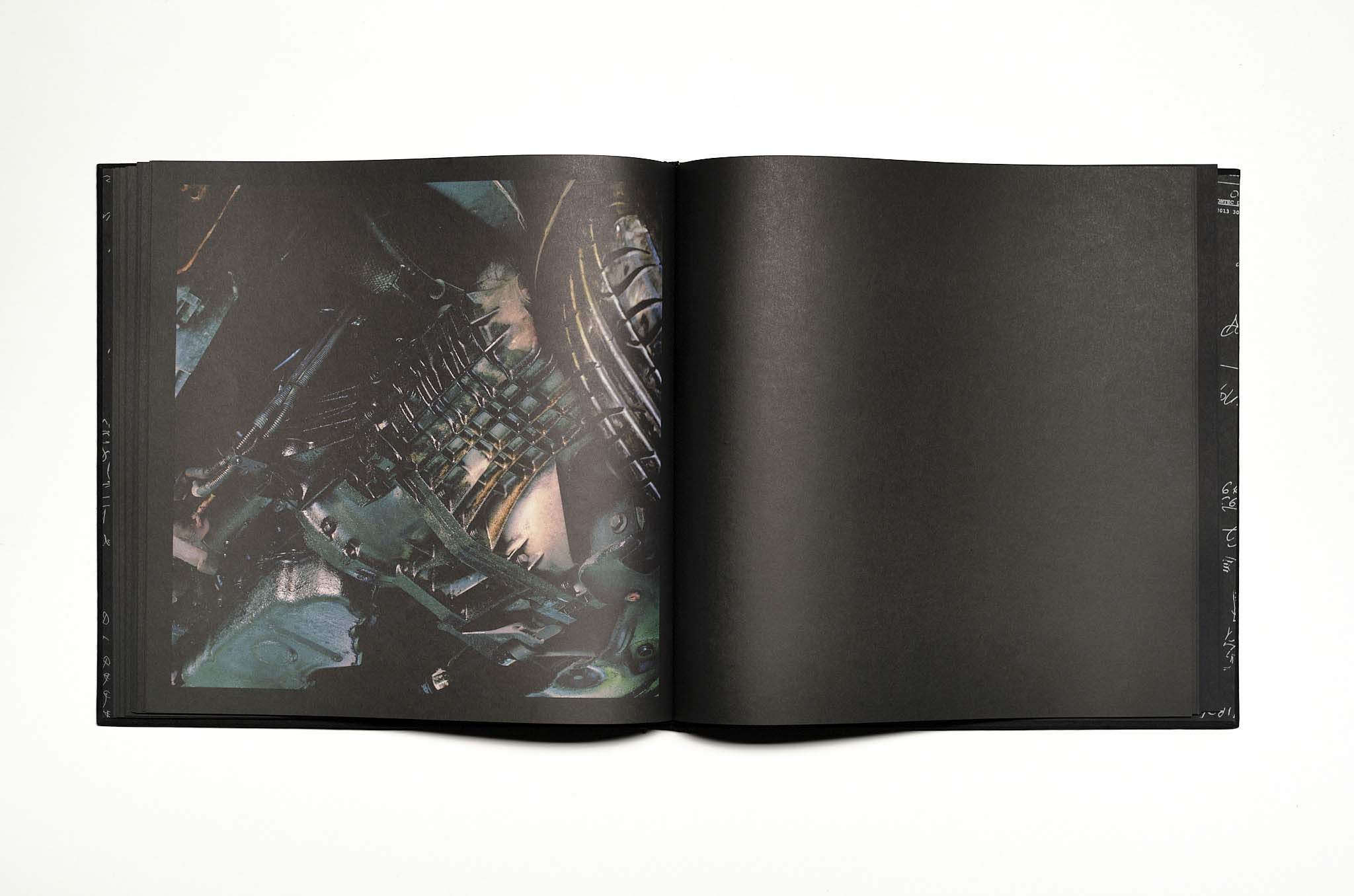
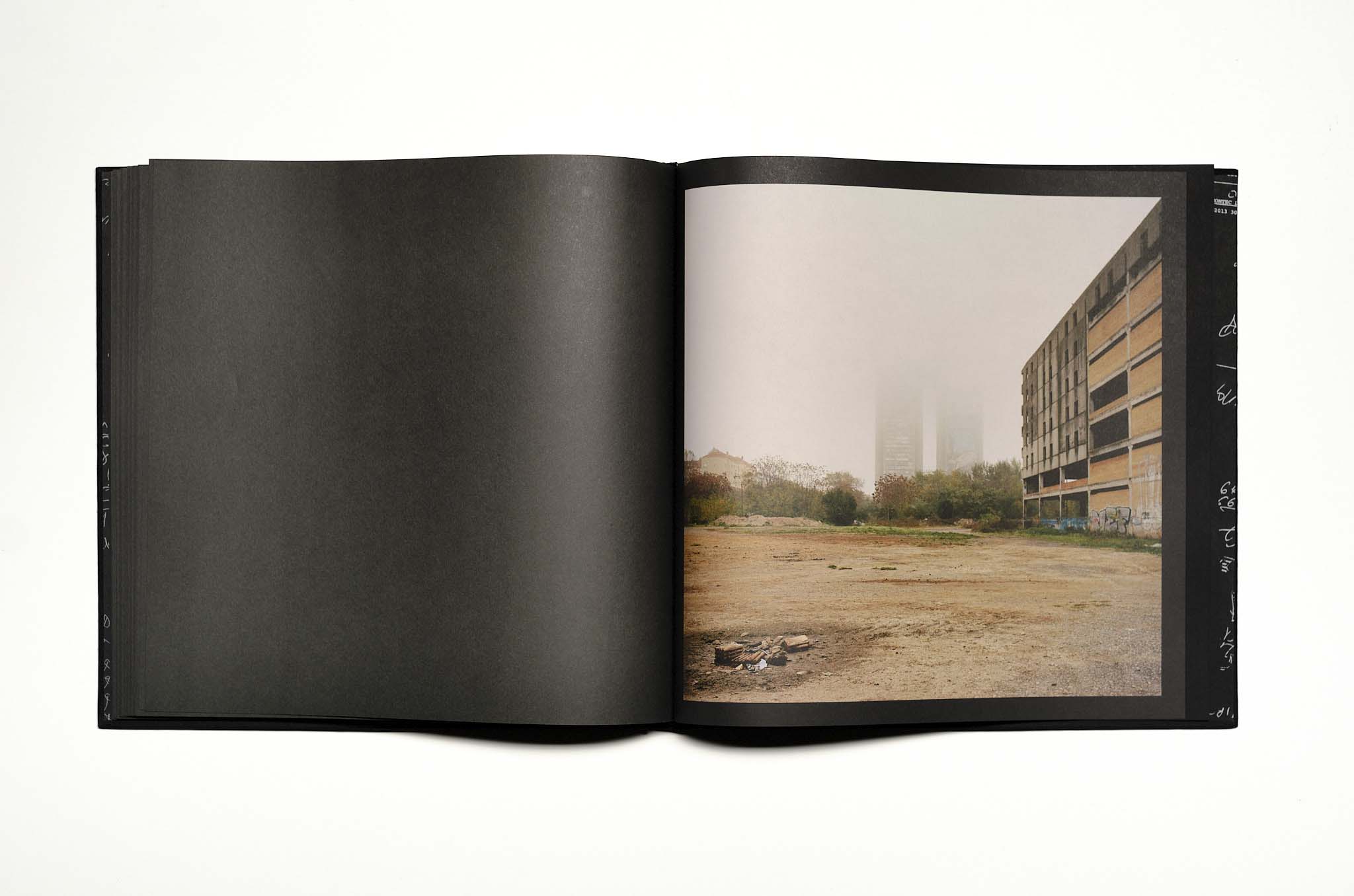
In its prime, Genex was a symbol of Yugoslavia’s collective ambition—a dual tower of residential life and commercial power bridging East and West. Yet, as the socialist state crumbled, so too did its concrete crown jewel. Generaleksport, once Yugoslavia’s economic titan, was stripped and sold, its spoils claimed by a kleptocracy. The commercial tower stands hollow now, its desolate floors echoing with the memories of its lost glory and shadowy dealings.

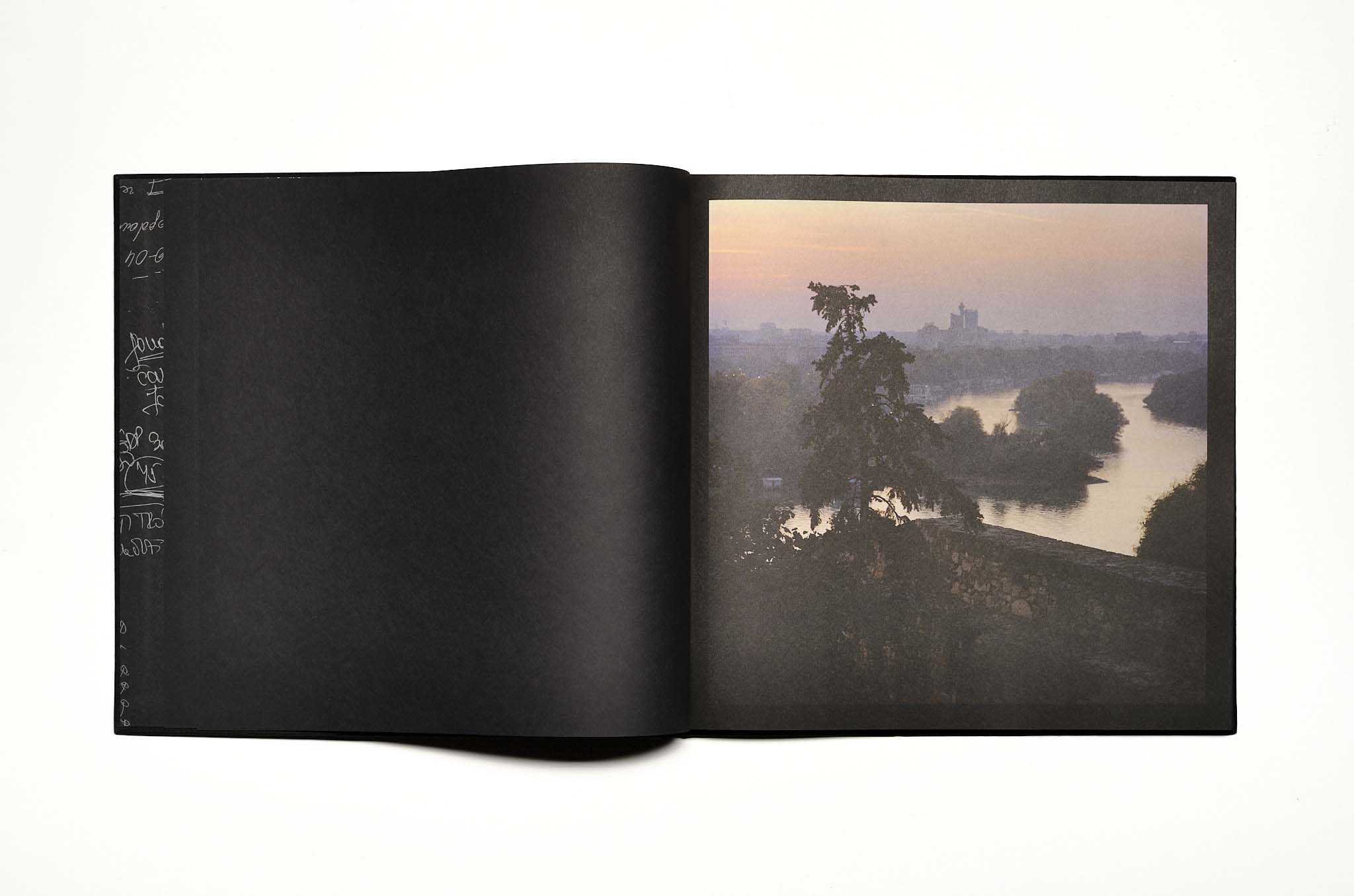
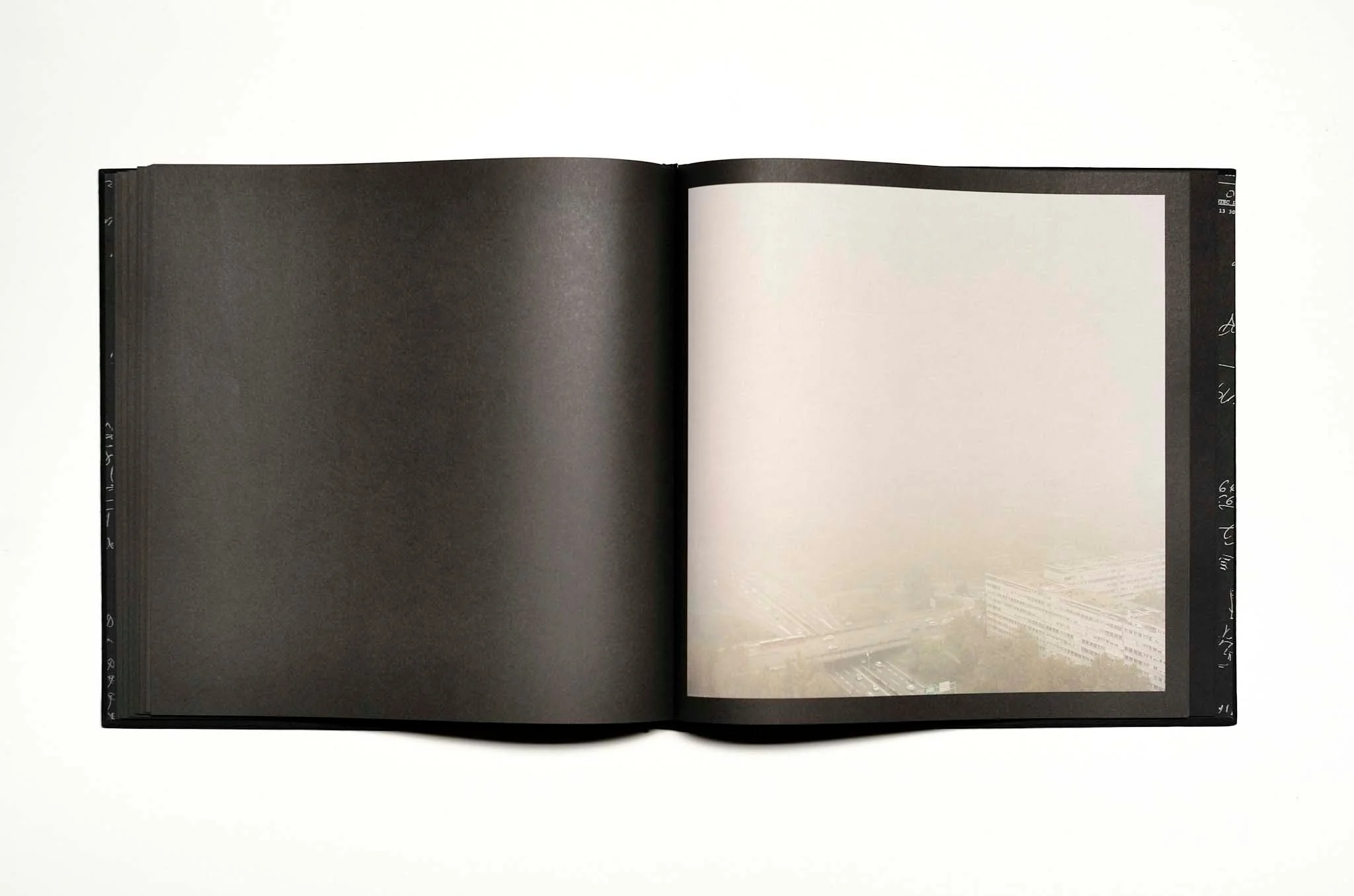
But Belgrade itself is no stranger to labyrinthine mythology. The city’s layers of history—from Roman Singidunum to Ottoman rule, from the socialist federation to its fractured present—form their own labyrinth. Like Theseus, its people have navigated this maze of identities and eras, seeking a center, a purpose, a way forward.

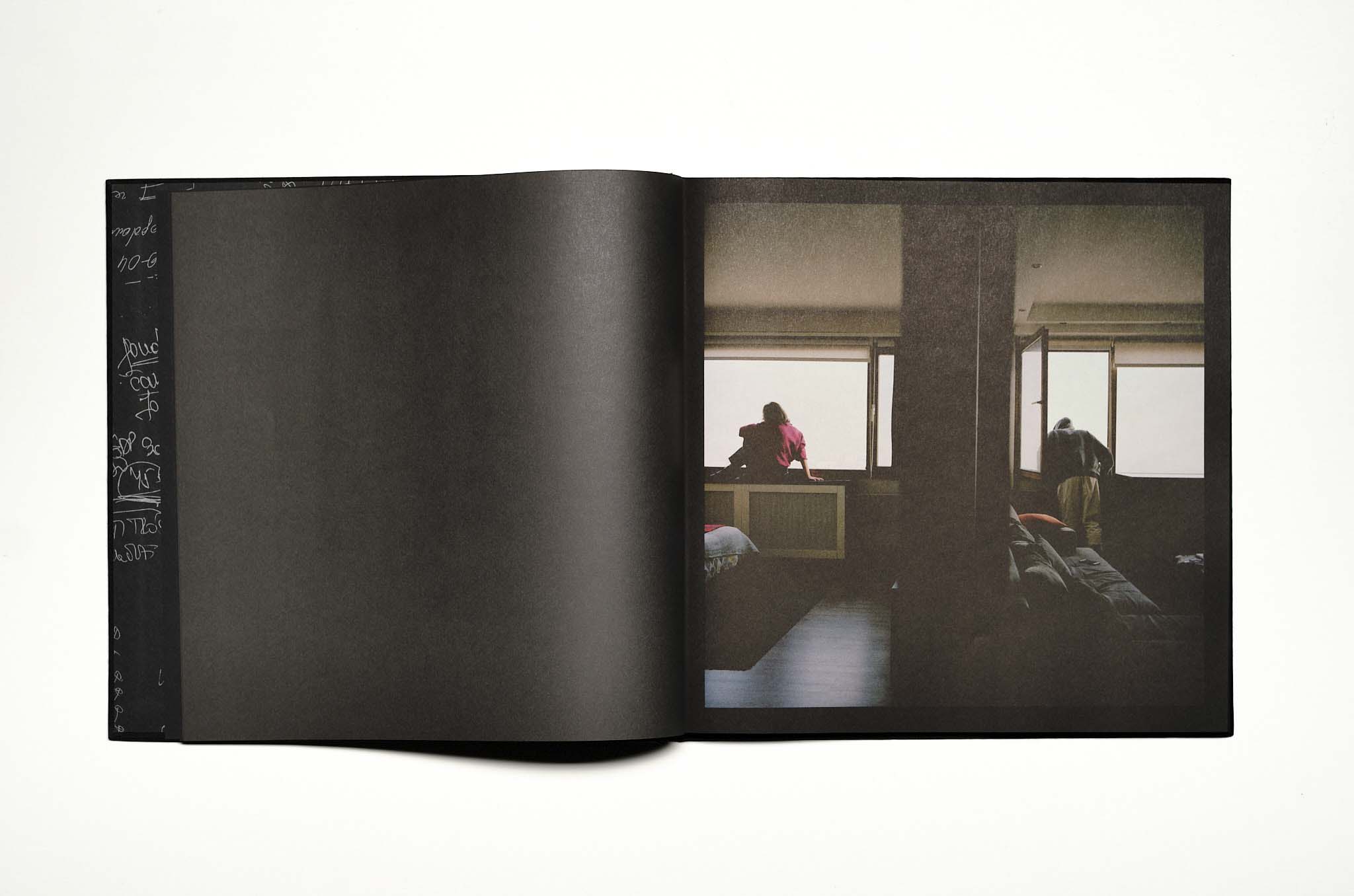
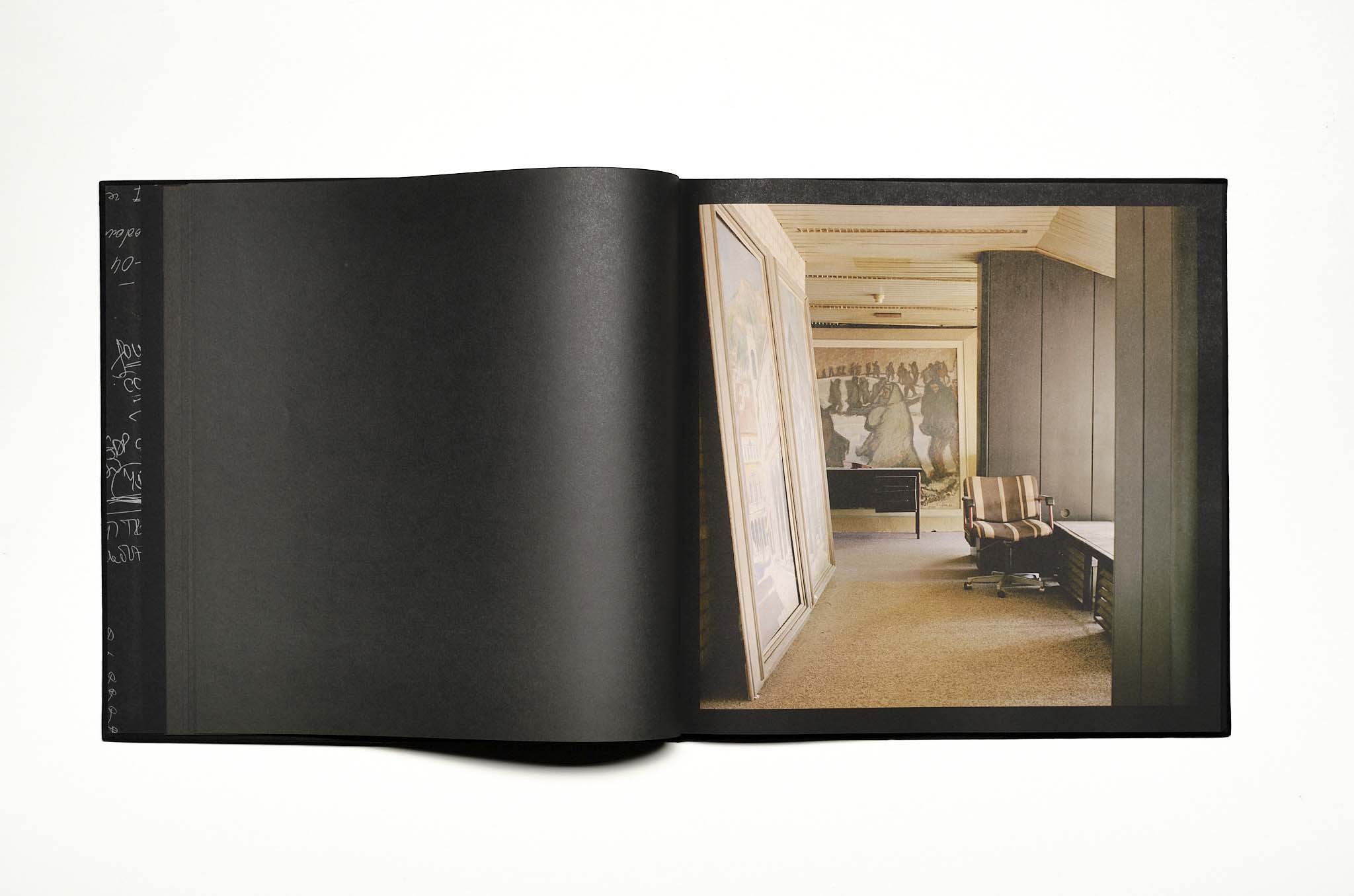
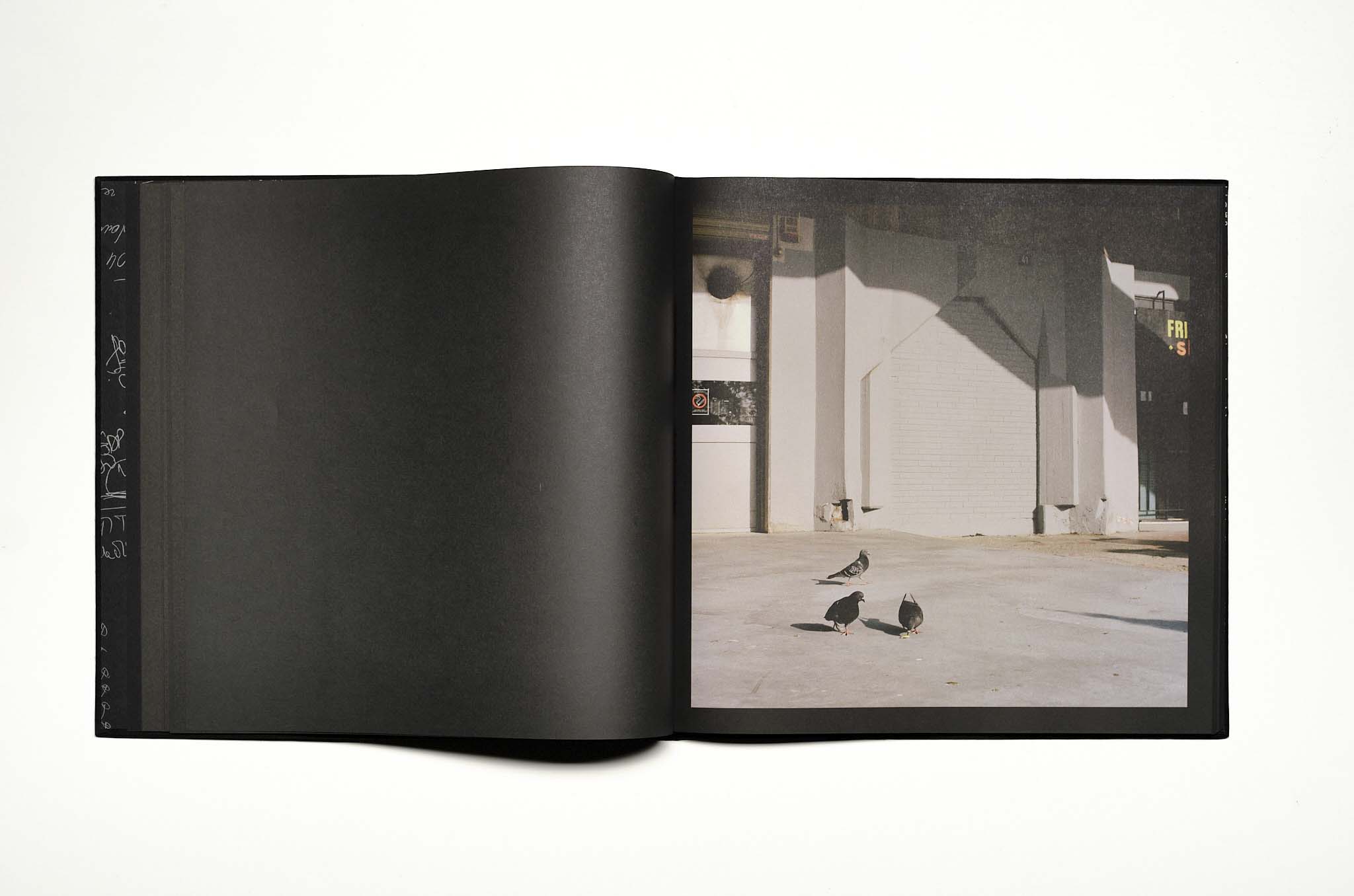
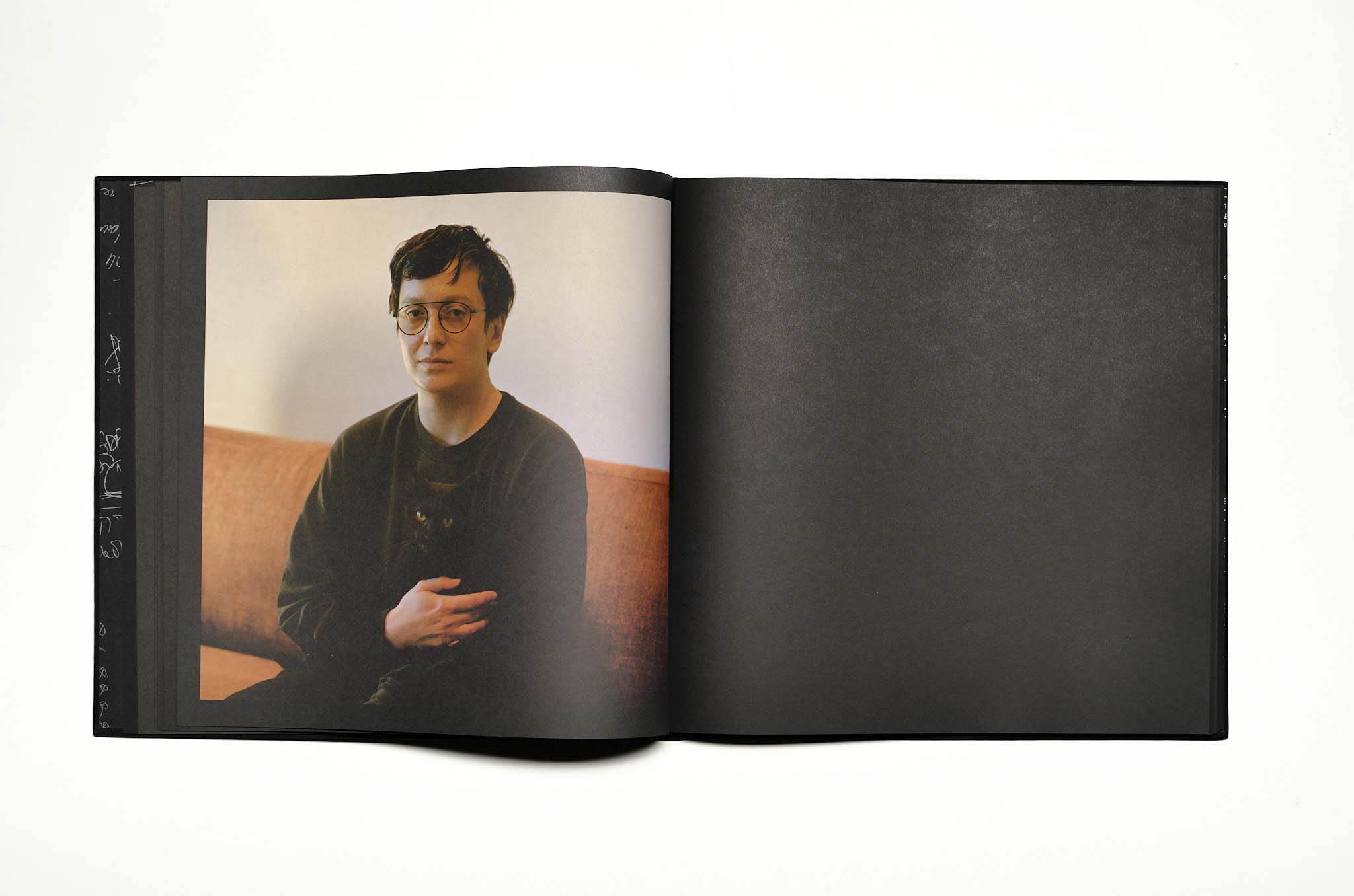
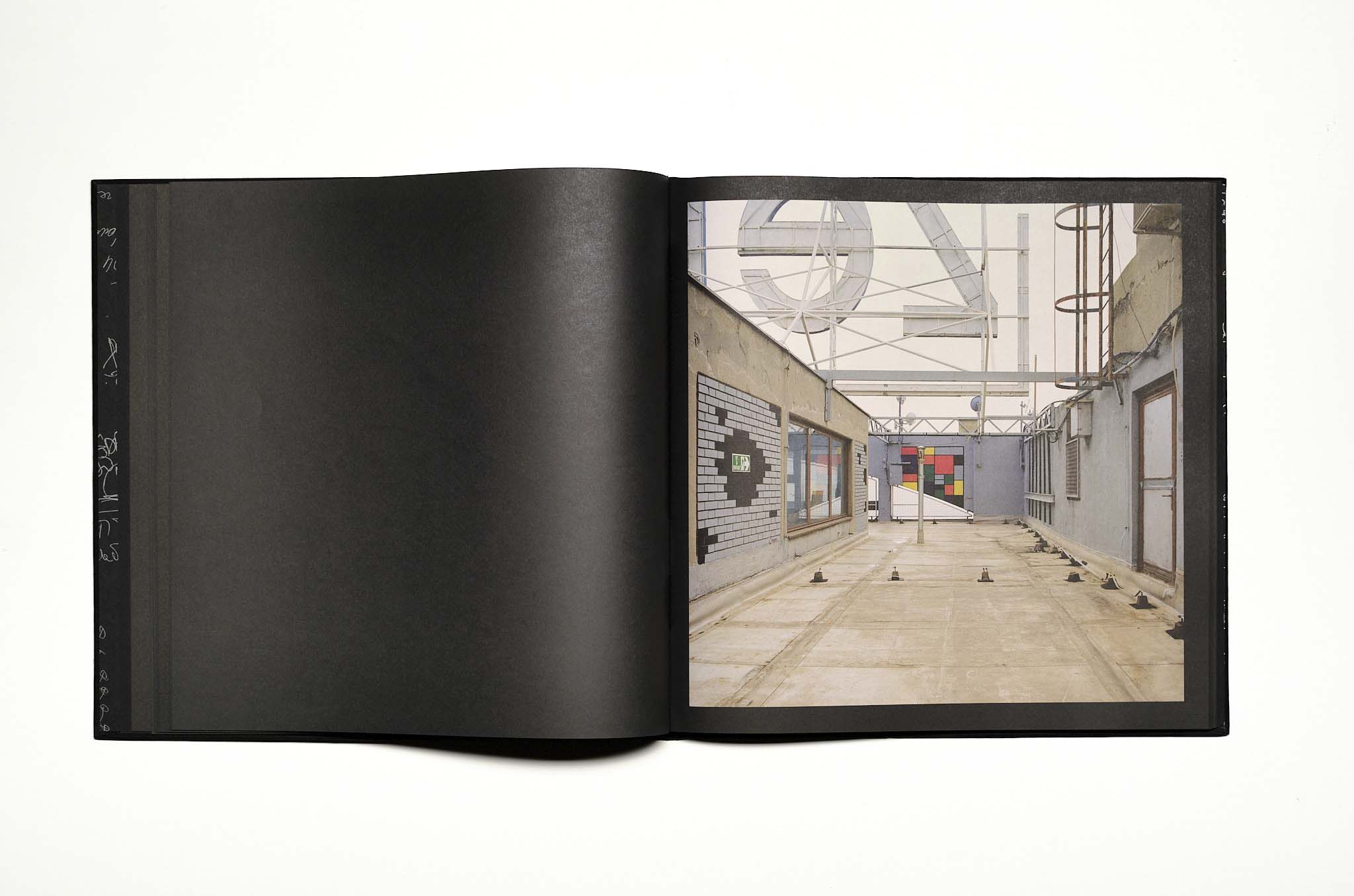
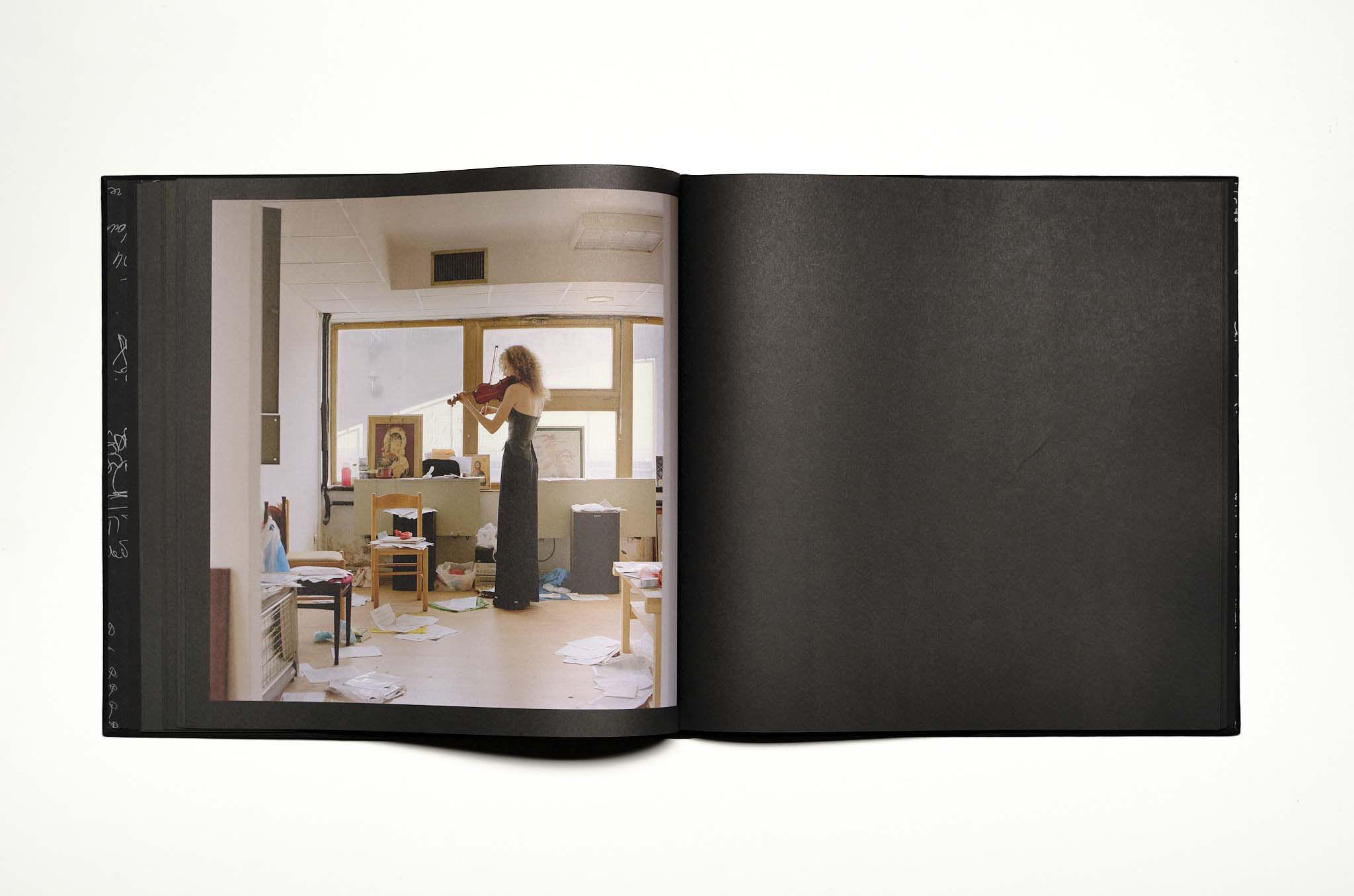
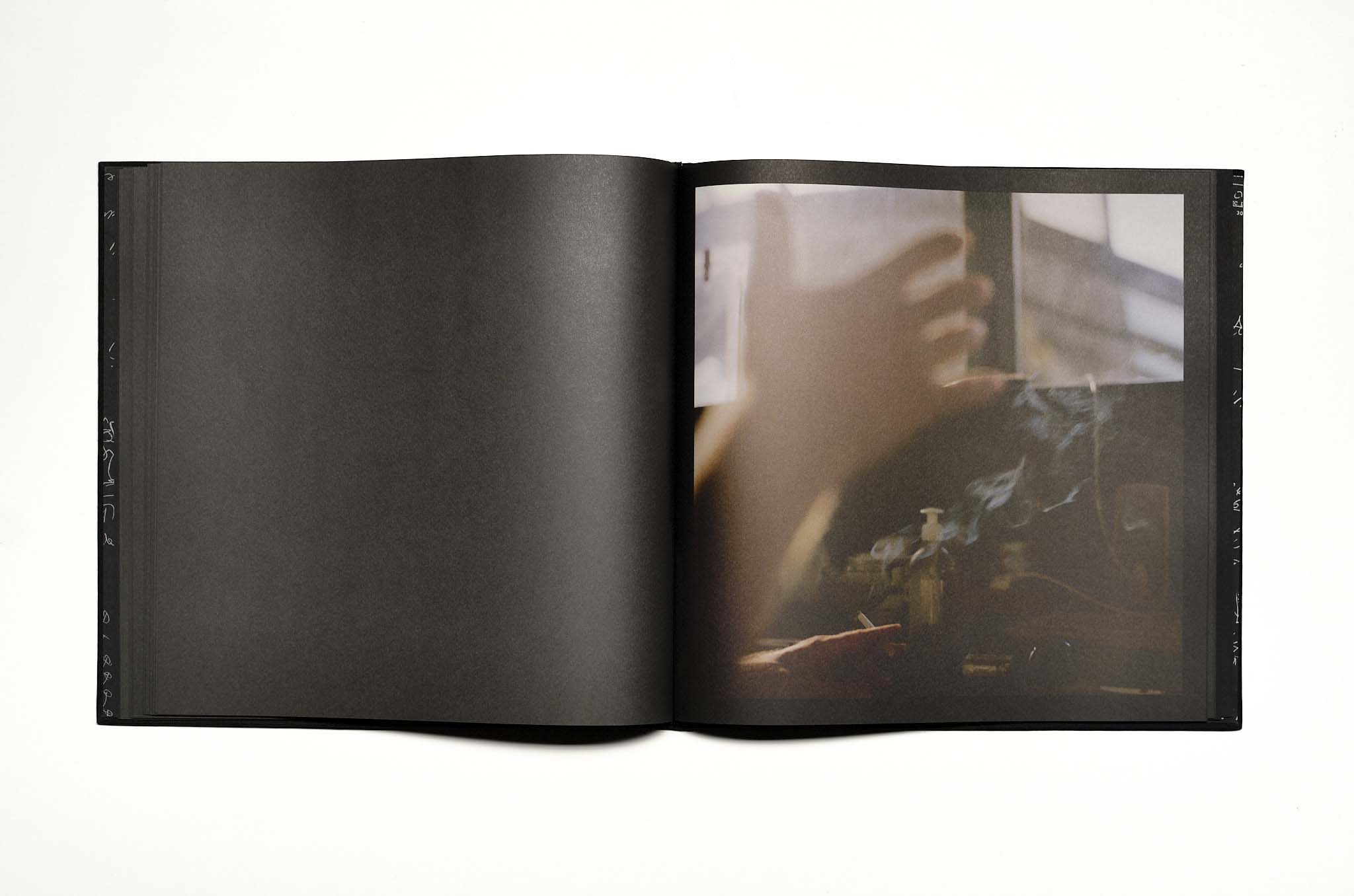
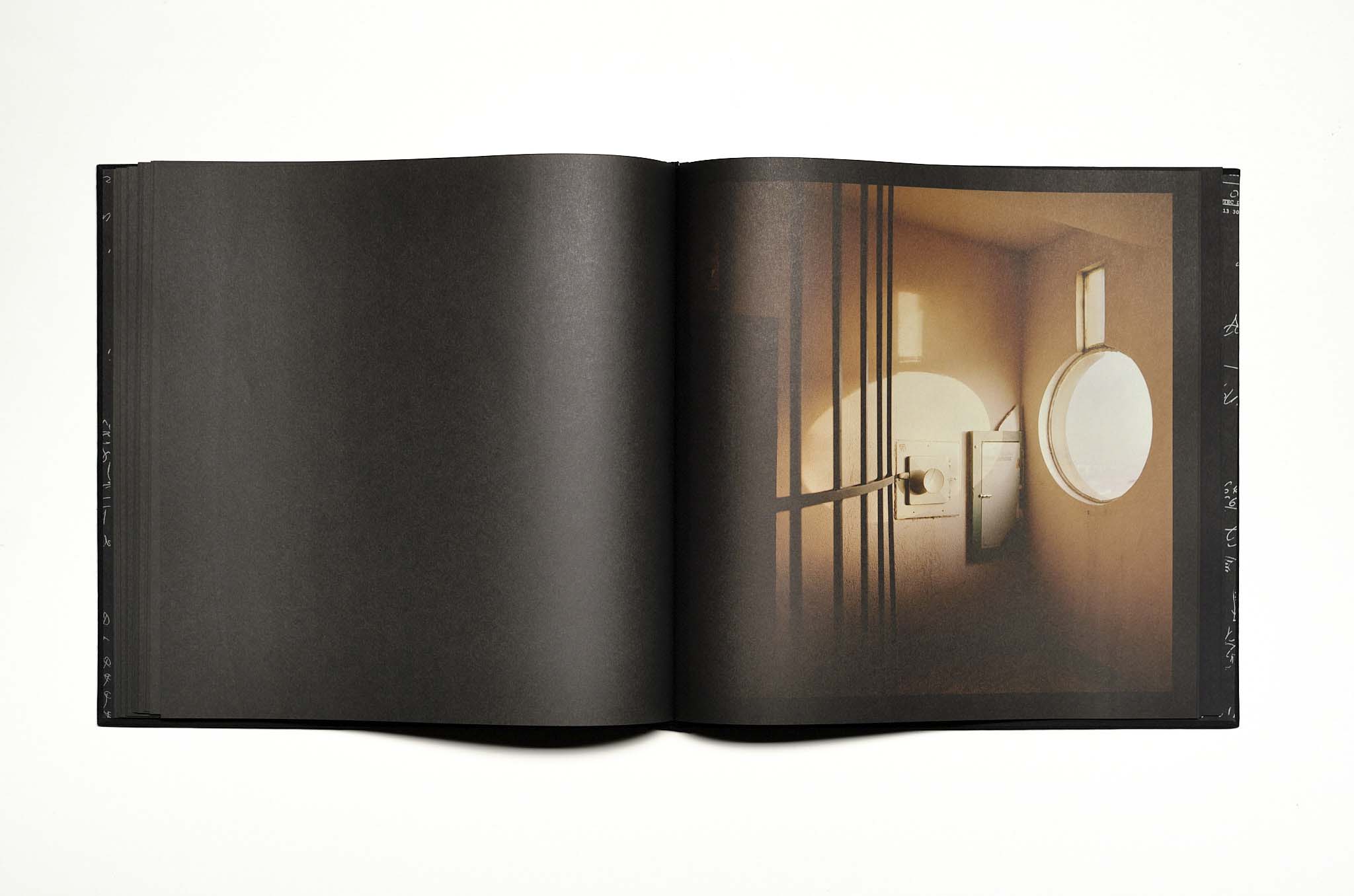
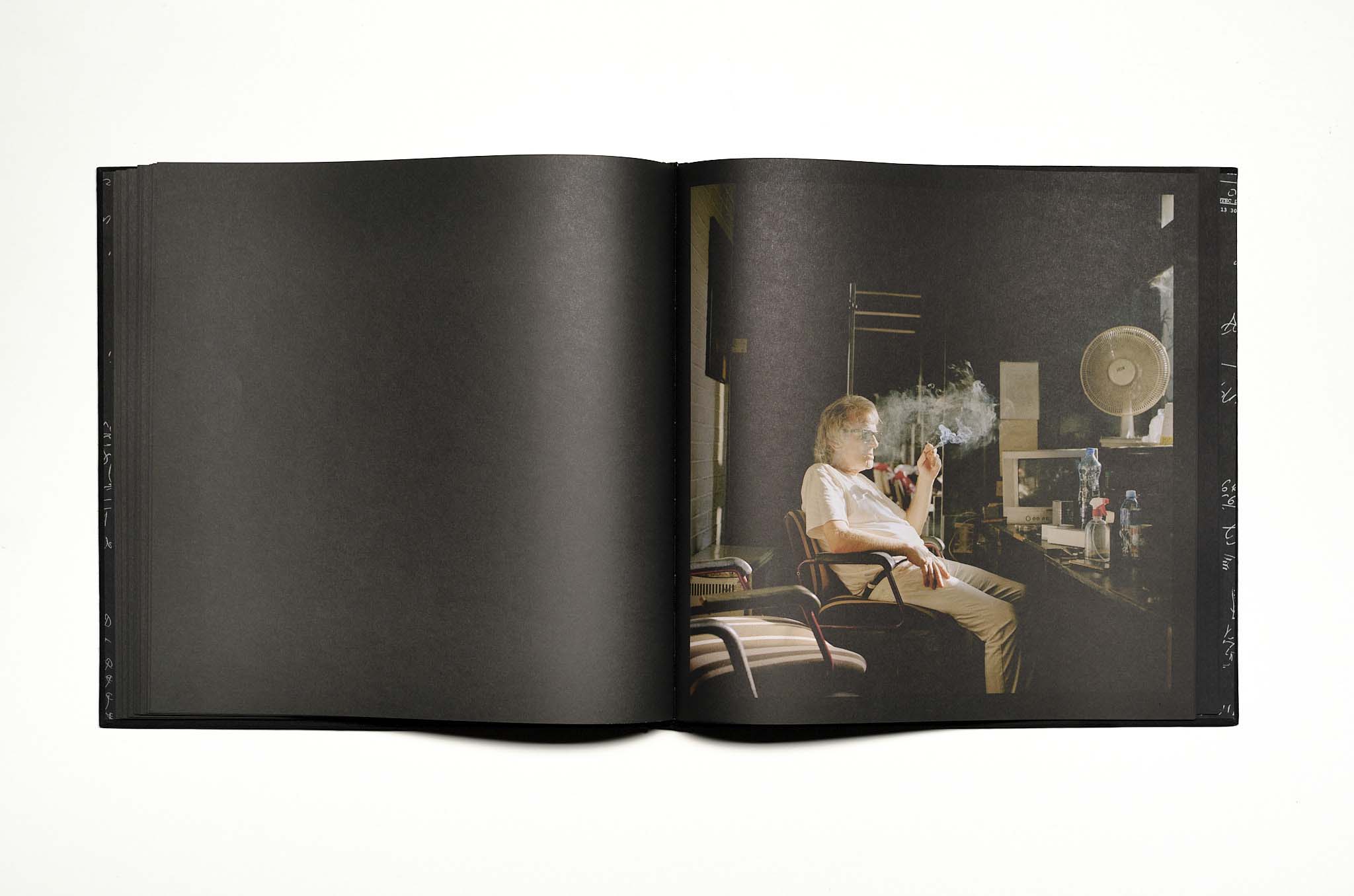
Today, Genex remains a paradox, loved and loathed, its meaning contested. For some, it is a monument to better times, when the state sheltered its people and collective dreams felt possible. For others, it embodies the corruption of the transition era, a stark reminder of public wealth squandered. Within its walls are countless stories: teenagers coming of age, hidden art in forgotten corners, and everyday lives unfolding in the shadow of history.

The tower looms as both ruin and hope—a modern-day labyrinth in a city of endless complexity. Like the mythological maze, it invites us to explore not just its spaces but the narratives we weave within them, seeking threads to guide us toward understanding and renewal.
Product Information
Product Information
Shipping & Returns
Shipping & Returns
Description
The Genex Tower, like the labyrinth of Minos, is more than just a place—it is a narrative, a mythology. In ancient Greece, the labyrinth was both a marvel of ingenuity and a prison of confinement, its purpose shifting with the stories told about it. Similarly, the Genex Tower’s meaning changes depending on who recounts its tale: the architects who envisioned it, the workers who built it, the residents who lived within its walls, or the elites who profited from its decline.
In its prime, Genex was a symbol of Yugoslavia’s collective ambition—a dual tower of residential life and commercial power bridging East and West. Yet, as the socialist state crumbled, so too did its concrete crown jewel. Generaleksport, once Yugoslavia’s economic titan, was stripped and sold, its spoils claimed by a kleptocracy. The commercial tower stands hollow now, its desolate floors echoing with the memories of its lost glory and shadowy dealings.
But Belgrade itself is no stranger to labyrinthine mythology. The city’s layers of history—from Roman Singidunum to Ottoman rule, from the socialist federation to its fractured present—form their own labyrinth. Like Theseus, its people have navigated this maze of identities and eras, seeking a center, a purpose, a way forward.
Today, Genex remains a paradox, loved and loathed, its meaning contested. For some, it is a monument to better times, when the state sheltered its people and collective dreams felt possible. For others, it embodies the corruption of the transition era, a stark reminder of public wealth squandered. Within its walls are countless stories: teenagers coming of age, hidden art in forgotten corners, and everyday lives unfolding in the shadow of history.
The tower looms as both ruin and hope—a modern-day labyrinth in a city of endless complexity. Like the mythological maze, it invites us to explore not just its spaces but the narratives we weave within them, seeking threads to guide us toward understanding and renewal.